
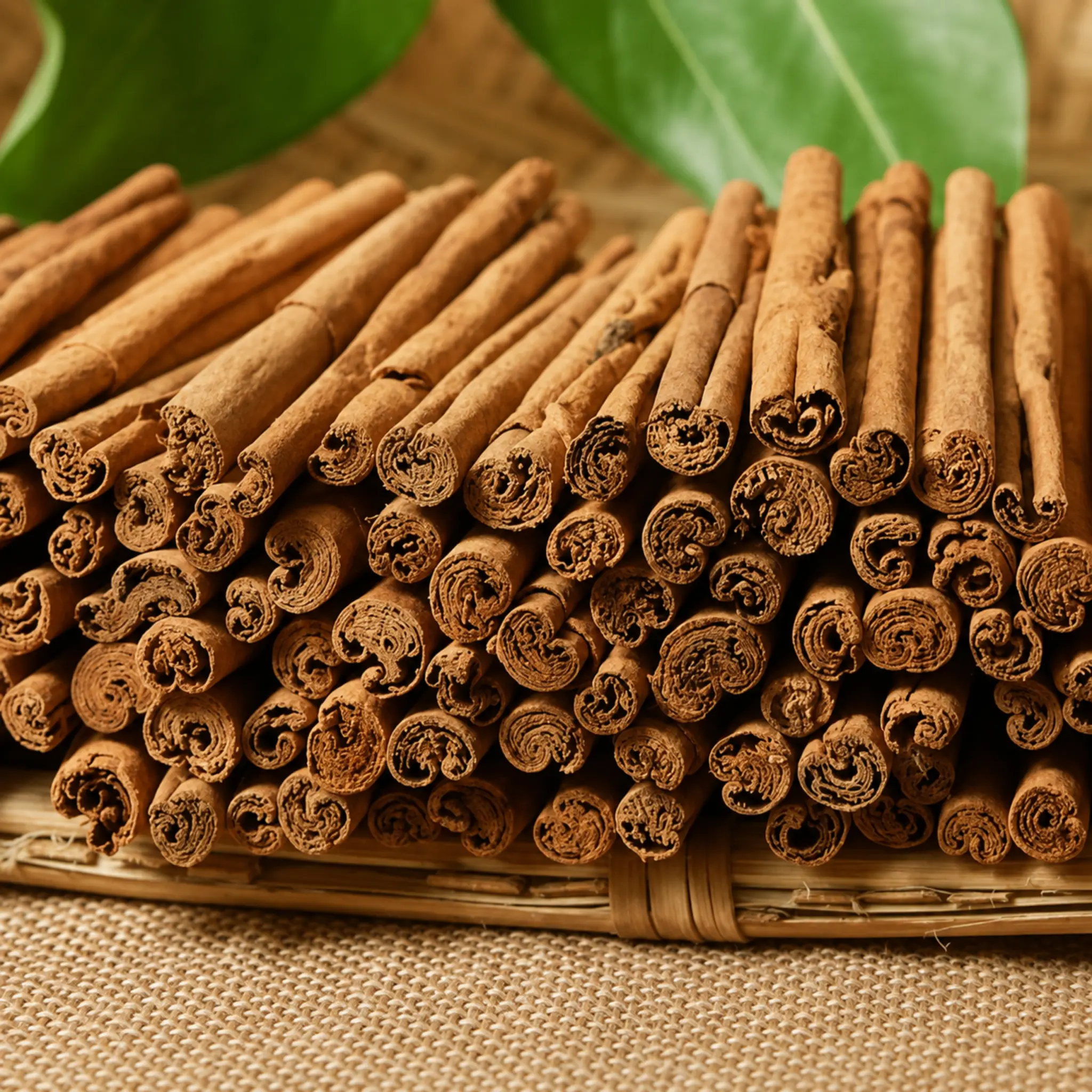
Peru is one of the top three buyers of Sri Lankan cinnamon in the world, importing around US$28 million of cinnamon in 2025, with roughly 96% of it coming from Sri Lanka. The reason comes down to taste and culture. Peruvians use true cinnamon in national favourites like chicha morada and picarones, and the country has almost no appetite for cheaper cassia.
If you follow spice trade data, this tends to surprise people. Peru is small next to Mexico and the United States, yet it sits alongside them as a leading destination for ceylon cinnamon exports from Sri Lanka. For a company like ours that ships cinnamon to buyers around the world, Peru’s appetite for the real thing is one of the more interesting stories in the spice trade, and it says a lot about what quality-focused importers are actually looking for.
How Much Ceylon Cinnamon Does Peru Actually Import?
The numbers back up the claim. According to UN Comtrade data compiled by the Observatory of Economic Complexity, Peru imported approximately US28 million of cinnamon in 2025, up from US23.5 million the year before. Almost all of that growth came from a single source: shipments from Sri Lanka rose by about US$4.16 million year on year.
What stands out is not just the total, but how concentrated the sourcing is.
| Origin of Peru’s cinnamon imports (2025) | Value |
| Sri Lanka | US$27 million |
| United States | US$278,000 |
| Madagascar | US$200,000 |
| Vietnam | US$149,000 |
| Indonesia | US$146,000 |
Every other origin combined accounts for well under 4% of the total. For practical purposes, when a Peruvian importer buys cinnamon, they are buying Ceylon cinnamon from Sri Lanka.
Peru buys more per person than Mexico does
Mexico is the largest single destination for Sri Lankan cinnamon in absolute terms, taking roughly US80.6million worthin 2024 . But Mexico has a population of about 130 million people, while Peru has about 32.6million. On the most recent full-year figures that works out at roughly US0.83 of Ceylon cinnamon per person in Peru, against about US$0.62 in Mexico.
There is a second point that matters even more to suppliers. Peru exported only around US$201,000 of cinnamon in 2025, a tiny fraction of what it brings in. This is not a re-export or transshipment market. Nearly everything Peru imports is consumed inside Peru, which makes the demand steady and repeatable year after year rather than dependent on onward trade flows.
Why Does Peru Use So Much Cinnamon?
This is not a case of one or two restaurants driving the numbers. Cinnamon is built into everyday Peruvian life, and has been since Spanish colonial traders introduced it centuries ago alongside cloves and other spices from Asia. Peru also grows no cinnamon of its own, so every kilo of it is imported.
Chicha Morada, Picarones and Mazamorra
A handful of national staples explain a large share of the demand:
- Chicha morada: Peru’s purple corn drink is simmered with cinnamon sticks, cloves, pineapple peel and apple. It is sold everywhere from street carts to supermarket shelves, and October’s “purple month” festivities push demand higher still.
- Picarones: these sweet potato and squash doughnuts, a Lima street food classic since colonial times, are almost always finished with a cinnamon spiced syrup.
- Mazamorra morada and other desserts: purple corn pudding, rice pudding and baked goods across the country lean on the same warm, sweet flavour.
Multiply that across a population of more than 32 million people eating and drinking these staples year round, and the import figures start to make a lot more sense.
True Cinnamon vs Cassia: Why Grade Matters to Peruvian Buyers
Here is something many buyers do not realise: most of the “cinnamon” sold worldwide is not cinnamon at all. It is cassia, a related but different bark. True cinnamon, Cinnamomum zeylanicum, grows almost exclusively in Sri Lanka, which is why it carries the name Ceylon cinnamon.
The difference matters for food safety as well as flavour. Ceylon cinnamon contains far less coumarin than cassia, a compound that has prompted intake guidance in several markets and that food and beverage manufacturers increasingly have to account for in their formulations. Sourcing from a traceable, single origin supplier also makes it far easier to document what is in each batch.
Peruvian importers typically bring in three main forms:
- Ceylon cinnamon sticks: the quills used whole in drinks like chicha morada and in large batch food production
- Ceylon cinnamon powder: for bakeries, dessert manufacturers and home cooking
- Ceylon cinnamon bark oil: used in flavouring, aromatherapy and natural wellness products
What Makes Sri Lanka the World’s Source for True Cinnamon?
Sri Lanka supplies the overwhelming majority of the world’s true cinnamon, and the island’s climate and soil are part of why the flavour cannot easily be replicated elsewhere. The Sri Lanka Export Development Board lists cinnamon as the single largest export product shipped from Sri Lanka to Peru. That is why buyers researching spice exporters in Sri Lanka tend to go straight to the source country rather than to generic global spice markets.
Not every exporter operates at the same scale or consistency, though. Ceylon Yasasi Spices works directly with growers in Sri Lanka’s cinnamon growing regions, which keeps quality consistent from one shipment to the next. That matters a great deal in a market like Peru, where buyers have learned to tell true cinnamon from the imitation.
How Can Importers Source Ceylon Cinnamon Directly From Sri Lanka?
For businesses in Peru or anywhere else looking to secure reliable supply, going straight to the source usually works out better than buying through several layers of middlemen. A good exporter should offer:
- Clear grading and documentation for every batch
- Samples available before a bulk commitment
- Flexible order sizes, from retail ready packs to full containers
- Consistent export quality standards, shipment after shipment
At Ceylon Yasasi we handle everything from small trial orders through to our full Ceylon cinnamon product range for buyers sourcing in bulk from Sri Lanka, and we are happy to send samples so you can check quality before committing to a larger shipment.
Is Ceylon Cinnamon Really Different From Regular Cinnamon?
Yes. True Ceylon cinnamon is a different species from the cassia that most supermarkets sell as “cinnamon”. It has a softer, sweeter flavour, a lighter tan colour, and significantly less coumarin. For food manufacturers and health conscious buyers, that difference is often the whole reason they switch suppliers.
Does Peru Import More Cinnamon Than Other South American Countries?
Yes, by a wide margin. Among Sri Lanka’s South American buyers, Ecuador and Colombia are the next closest, and both import a fraction of Peru’s volume. Peru’s combination of cultural demand and growing food manufacturing has made it the clear leader in the region.
Final Thoughts
Peru’s appetite for Ceylon cinnamon is not a passing trend. It is rooted in a food culture that goes back centuries, it is consumed domestically rather than traded onward, and it grew by close to 20% in a single year. For any business exploring new export markets, it is a useful reminder that demand for authentic, traceable spices keeps growing in places you might not expect. If you are a buyer comparing spice exporters in Sri Lanka for your own supply chain, our team can walk you through grades, pricing and sample options for your market. Get in touch with Ceylon Yasasi Spices to start the conversation, or browse our full spice range.
Frequently Asked Questions
Why does Peru import so much Ceylon cinnamon from Sri Lanka?
Peru imports large volumes of Ceylon cinnamon because the spice is central to national dishes and drinks like chicha morada and picarones, Peru grows no cinnamon of its own, and Peruvian buyers have shown a strong preference for authentic Ceylon cinnamon over cheaper cassia. Around 96% of Peru’s cinnamon imports come from Sri Lanka.
How much cinnamon does Peru import each year?
Peru imported approximately US28millionofcinnamonin2025,upfromaboutUS23.5 million in 2024. Roughly US$27 million of the 2025 total came from Sri Lanka.
What is the difference between Ceylon cinnamon and cassia cinnamon?
Ceylon cinnamon comes from a different tree species than cassia, has a milder and sweeter flavour, and contains far less coumarin. Most “cinnamon” sold in regular supermarkets worldwide is actually cassia rather than true Ceylon cinnamon.
Which countries buy the most Ceylon cinnamon from Sri Lanka?
Mexico, the United States and Peru are consistently the top three buyers of Sri Lankan cinnamon. Mexico is the largest in absolute terms, while Peru stands out for buying more per head of population than any of them.
Can I buy Ceylon cinnamon in bulk directly from a Sri Lankan exporter?
Yes. Sri Lankan exporters including Ceylon Yasasi Spices supply Ceylon cinnamon sticks, powder and bark oil directly to international buyers in bulk, with samples available before a full order is placed.